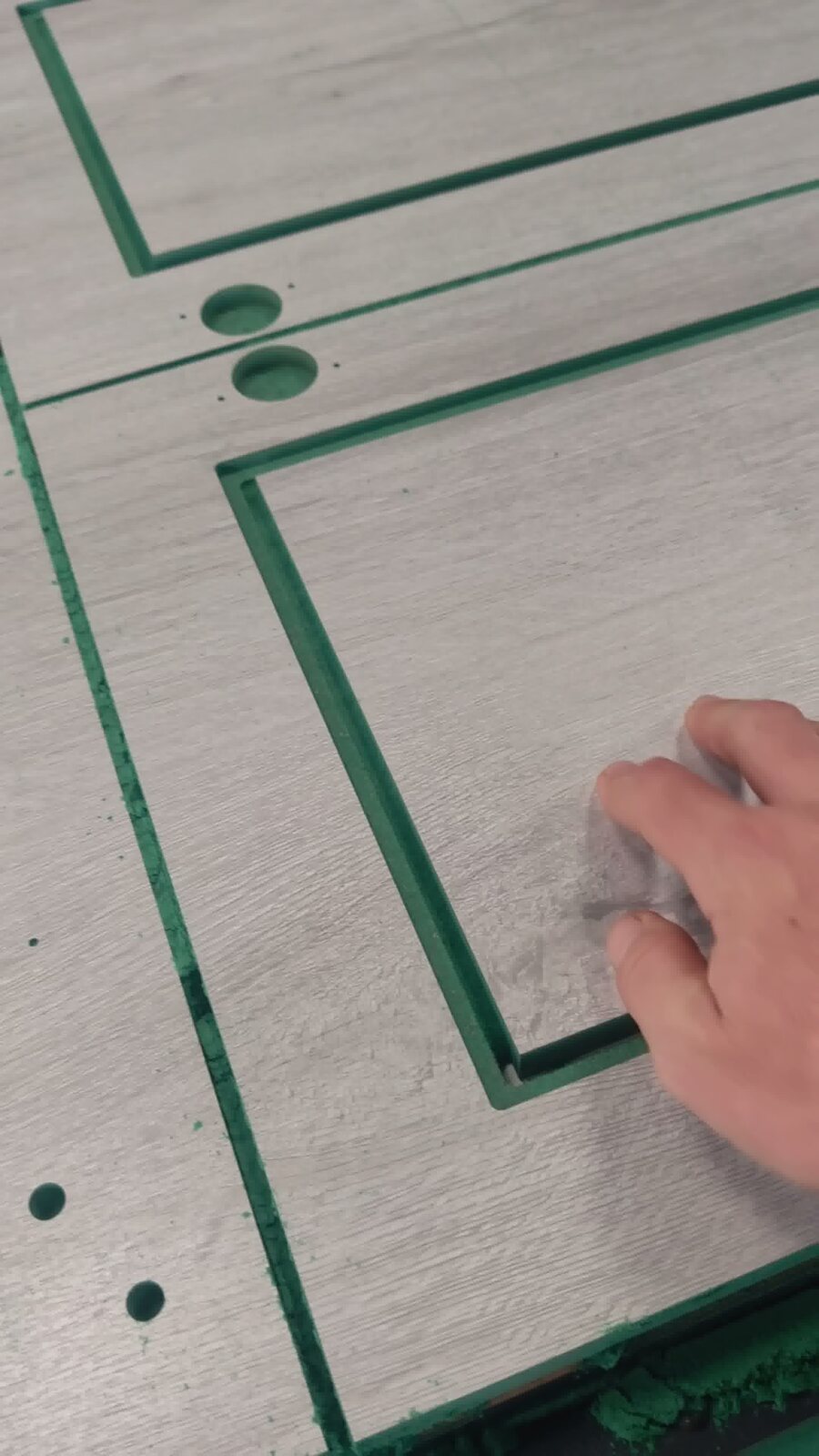
Cutting a rectangle is only part of the job. To assemble a square cabinet, holes in neighbouring panels need to align. That preparation is what drilling for fittings provides.
Every hole has a purpose
Hinges, shelf supports and connectors need different hole sizes, depths and offsets. Use the drilling pattern for the selected fitting. An approximate hole position can prevent assembly even when the outside dimensions are correct. Confirm fittings before preparing the program.
What the machine contributes
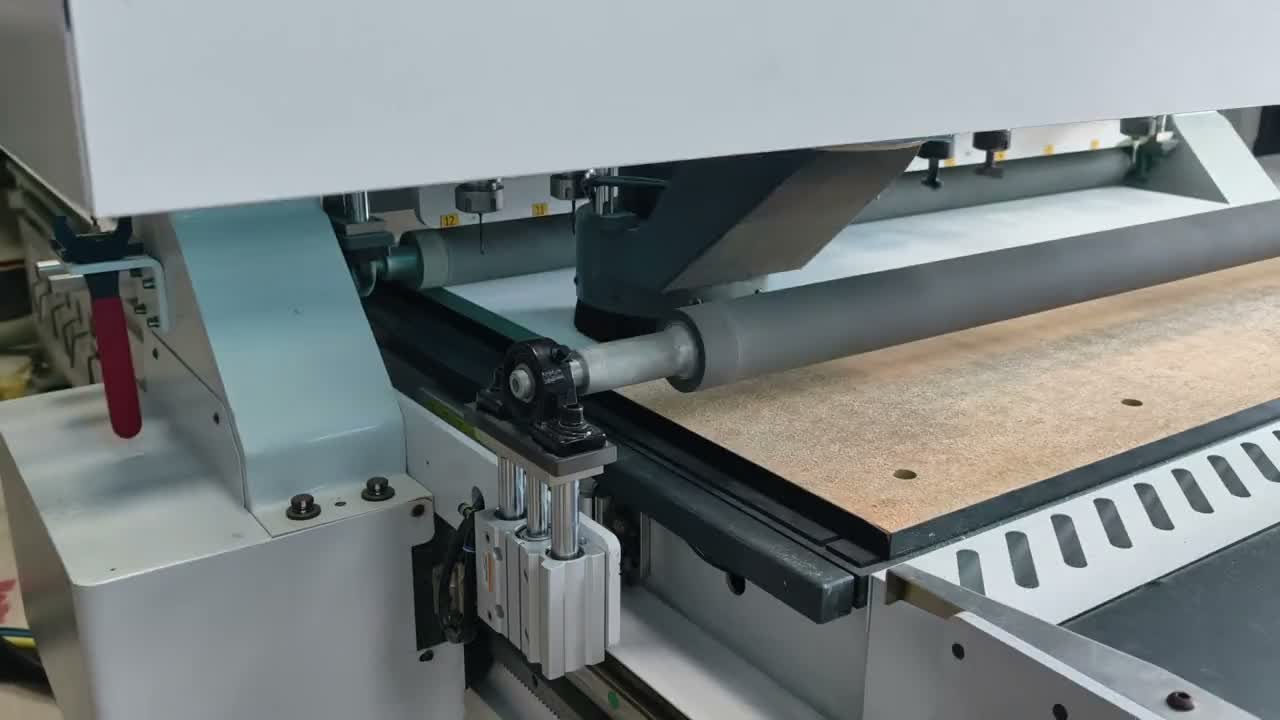
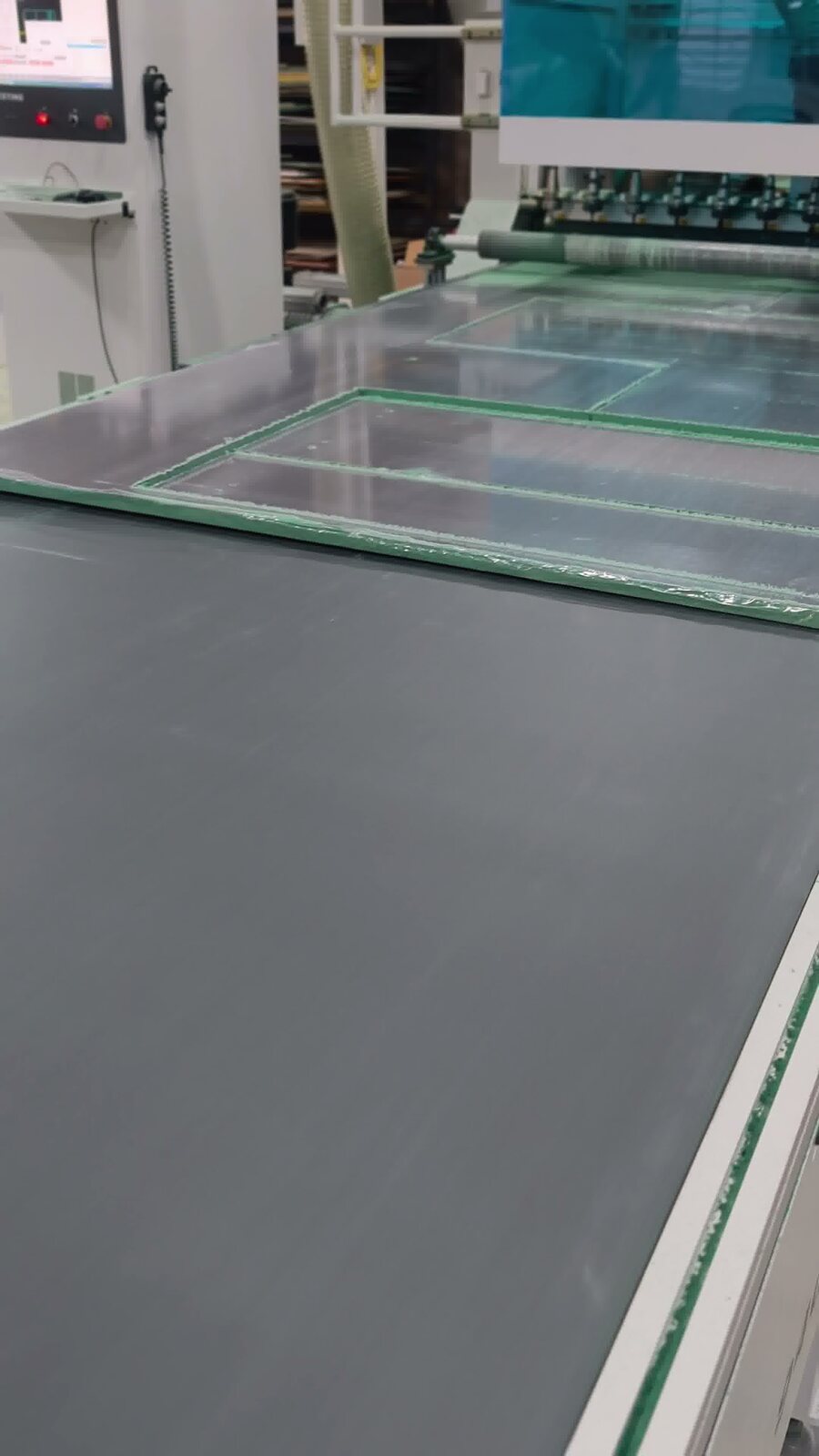
CNC repeats programmed positions and helps make consistent parts. Assemblers have less manual marking to do. However, it follows the program: a wrong pattern, orientation or tool can repeat the same error. Checking the first part remains essential.
How it helps the customer
Prepared, labelled parts are easier to match to assembly drawings. On site, there is less improvised marking and a clearer sequence. If a panel needs replacement, saved dimensions, material details and its part code are more useful than a photo alone.
Keep this checklist
Check before ordering
- Fitting references are approved
- Faces and edges are identified
- First part checked against the drawing
Does CNC eliminate every error?
No. Drawings, setup, tools and inspection still matter. The benefit is controlled repeatability, not freedom from inspection.